2000 - Windows ME

Microsoft introduced to me their file-system through artwork in the left side of the window with the helper links in the same panel which made it easier to understand the system structure.

2001 - Winamp

The "crossfade" effect, the smooth switching between songs, together with the big variety of custom skins were an enhancement of music listening experience.
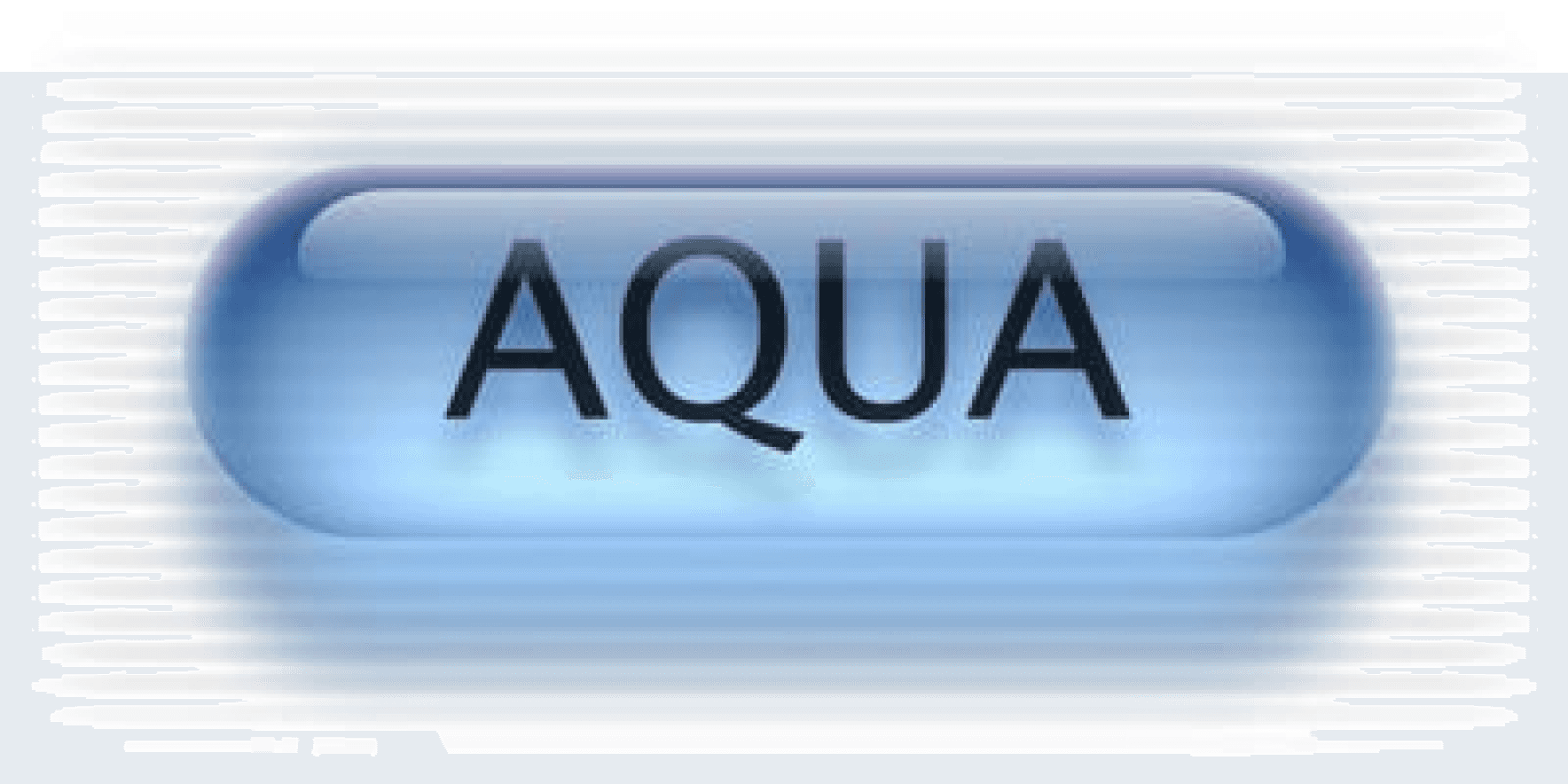
2008 - Aqua UI

The Liquid Glass before it was cool. iTunes software, the earliest reach to Apple's UI for me was the new perspective of interacting with the web in a more experience conscious way.

2008 - StumbleUpon

It's core power of throwing the user to random websites according to their preference taught me to find internet gems by surfing the vast web of creative sites.

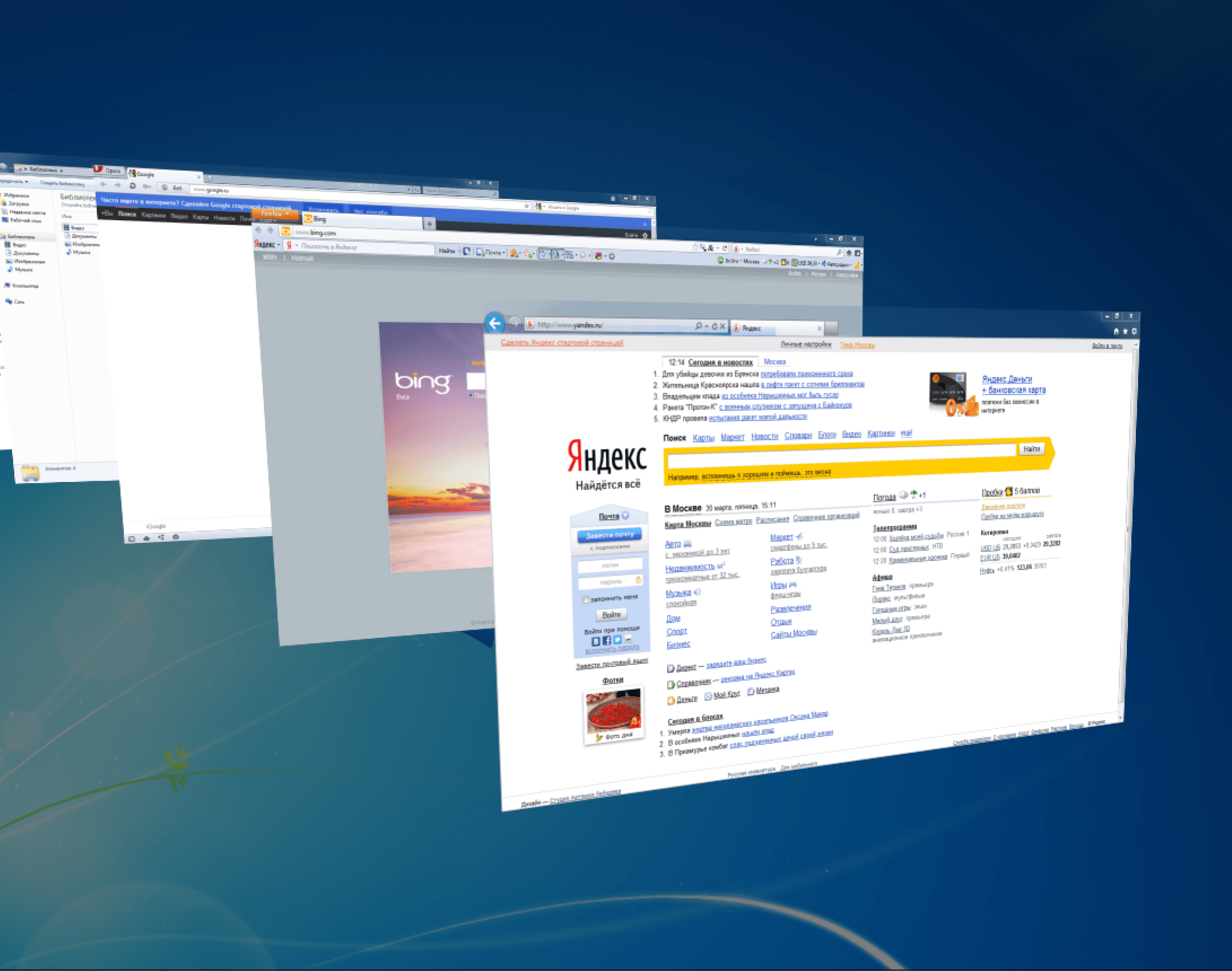
2008 - Windows Vista

This was the new way to imagine the digital experience. Aero UI, the task switching effect add the feeling of different levels.

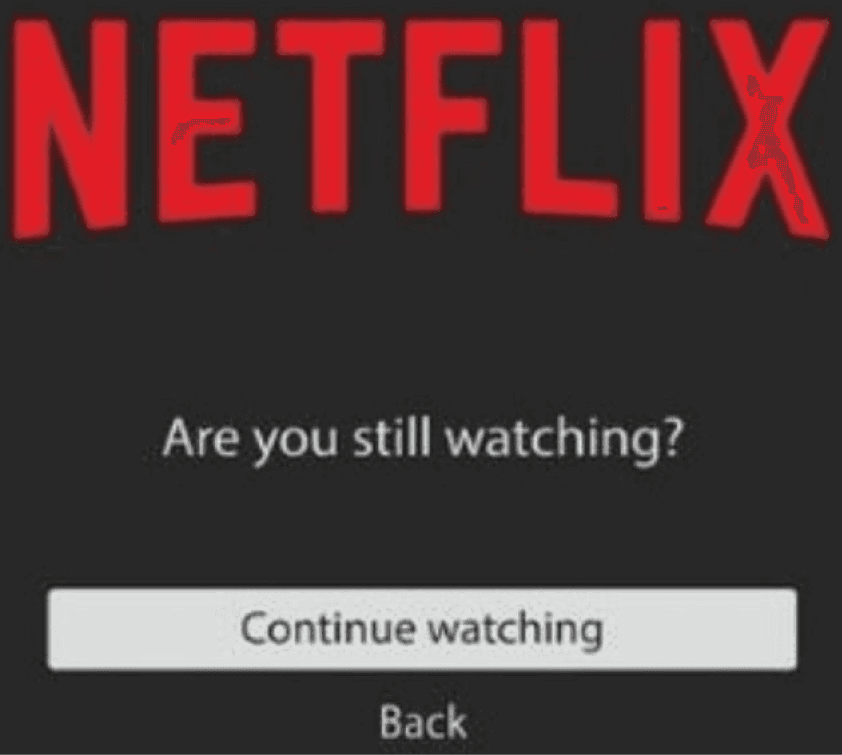
2010 - Netflix

The very personal message of Netflix, "Are you still watching?", is a very direct communication of a micro-interaction that gives the feeling of stability and convenience.

20+

Years Of Human-Computer
Interaction Influences.
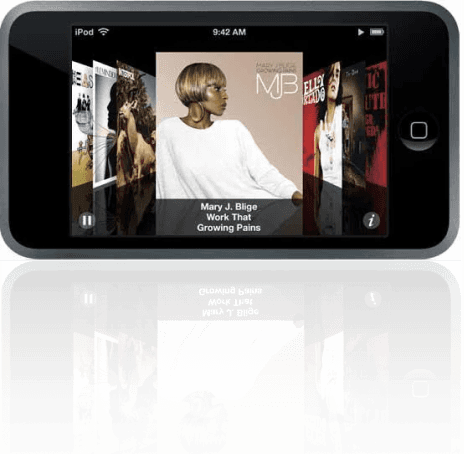
2009 - iPhone

The Cover Flow effect is one of the first experiences I had with the iPhone. Skeuomorphism had it's exact effect as promised, mimicking the reality and the real feeling of going through records.

2007 - Youtube

The buffering bar tackled uncertainty by giving us the control of predictability.

2007 - Youtube

The buffering bar tackled uncertainty by giving us the control of predictability.

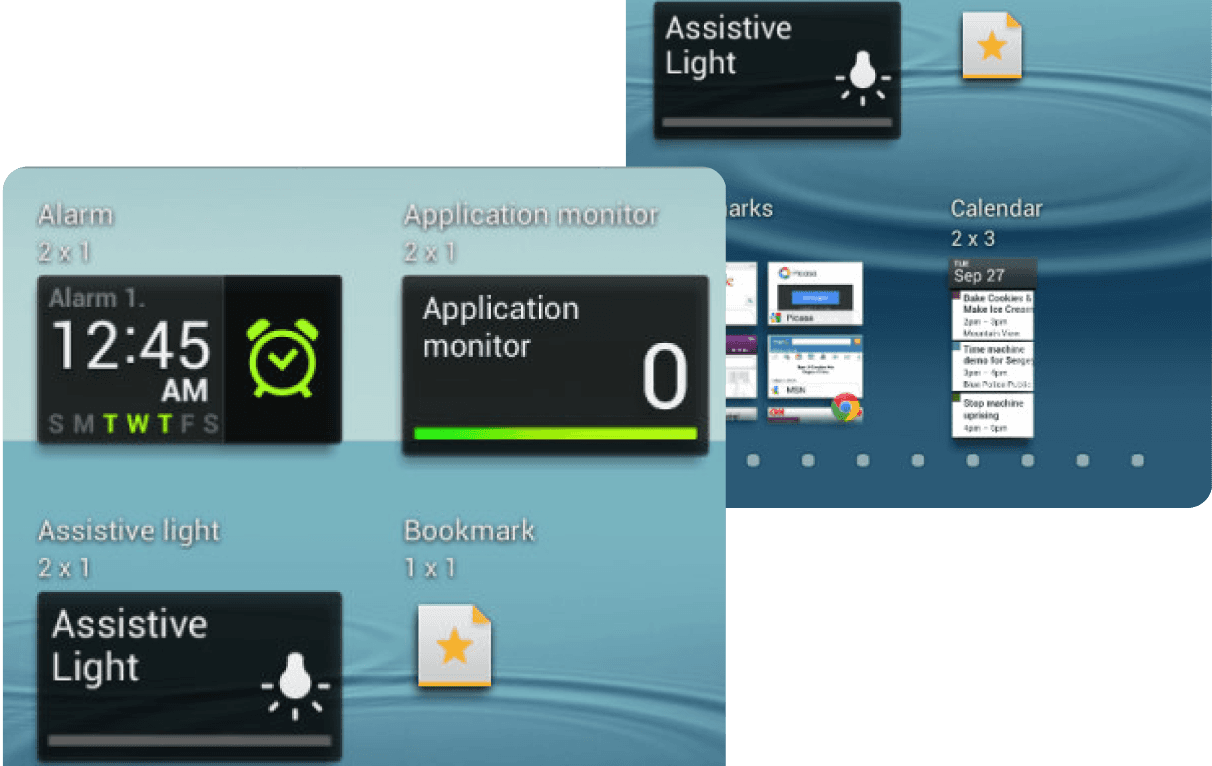
2012 - Galaxy S3

The Samsung Galaxy S3 is probably one of the best pieces of tech I have encountered and from which I have learned a lot. One key aspect are widgets, offering a way of tech serving before user action.

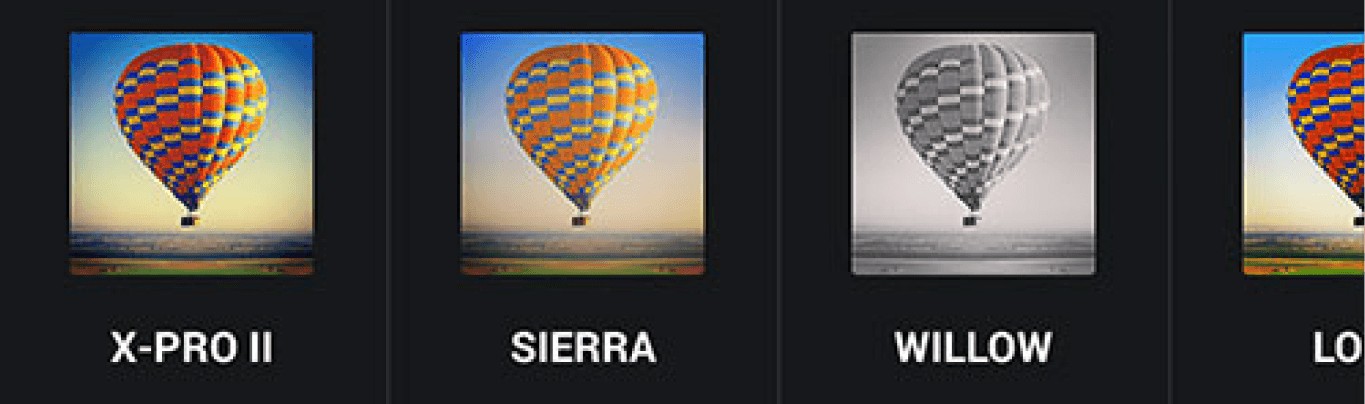
2012 - Instagram

The filters in Instagram when first released we're something you couldn't ignore when posting. It was the convenient artistic touch all user could add to their captured moments.

2012 - Facebook

In my opinion this is peak social media. Activity feeds brought the capability of seeing visually the fabric of our social circles changing and being built. Everybody enjoyed engaging and being in these list.

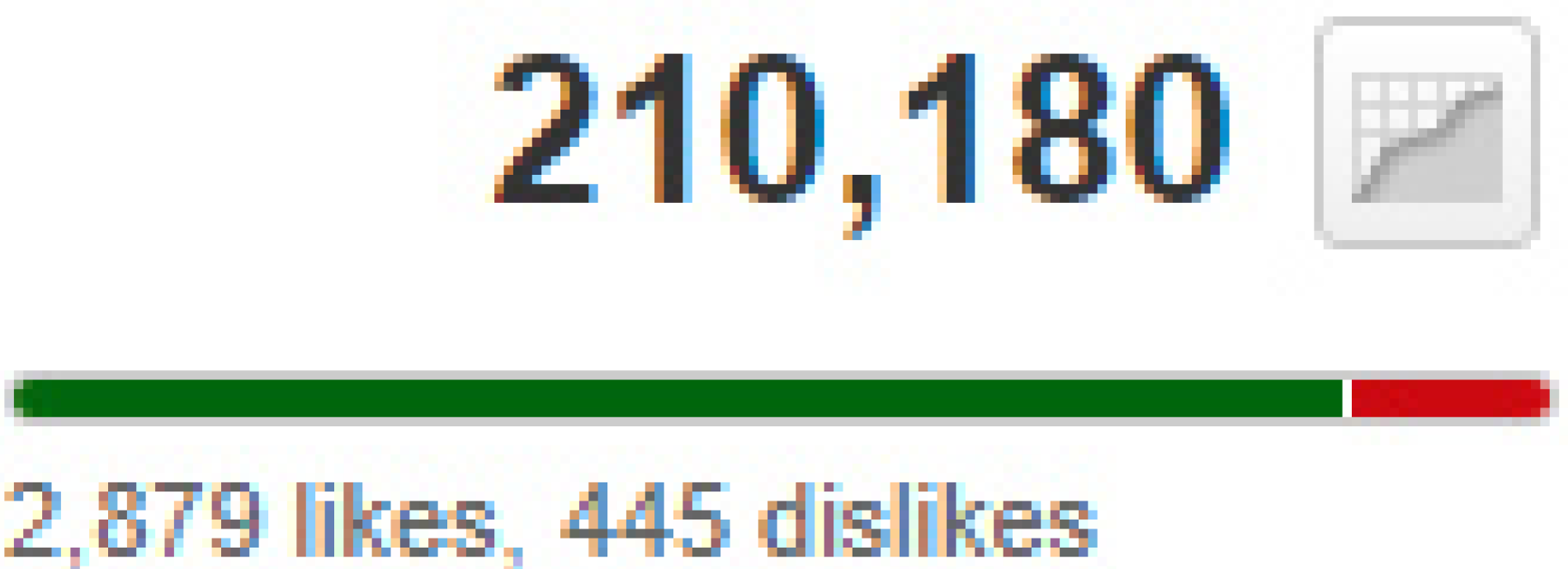
2008 - The Like/Dislike Bar

I still remember how many videos became famous because of their dislike count. We had a great social proof beacon for quality on the first days of video content creation.

2011 - Snapchat

When the internet started becoming noisy, Snapchat chose privacy and ease. For me the experience I can remember from early Snapchat was the playful privacy rules. It was clear what you've received and how the rules are depending on users action.

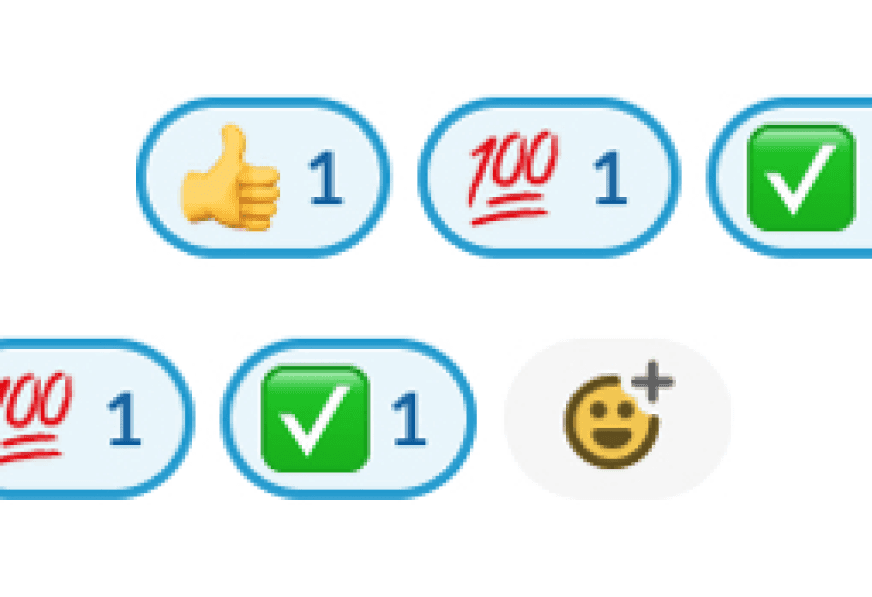
2011 - Reactions

Comment reaction felt just right, since the moment I encountered them. Slack, being a professional oriented tool, gives us the option of just the right amount of communication without much interference.

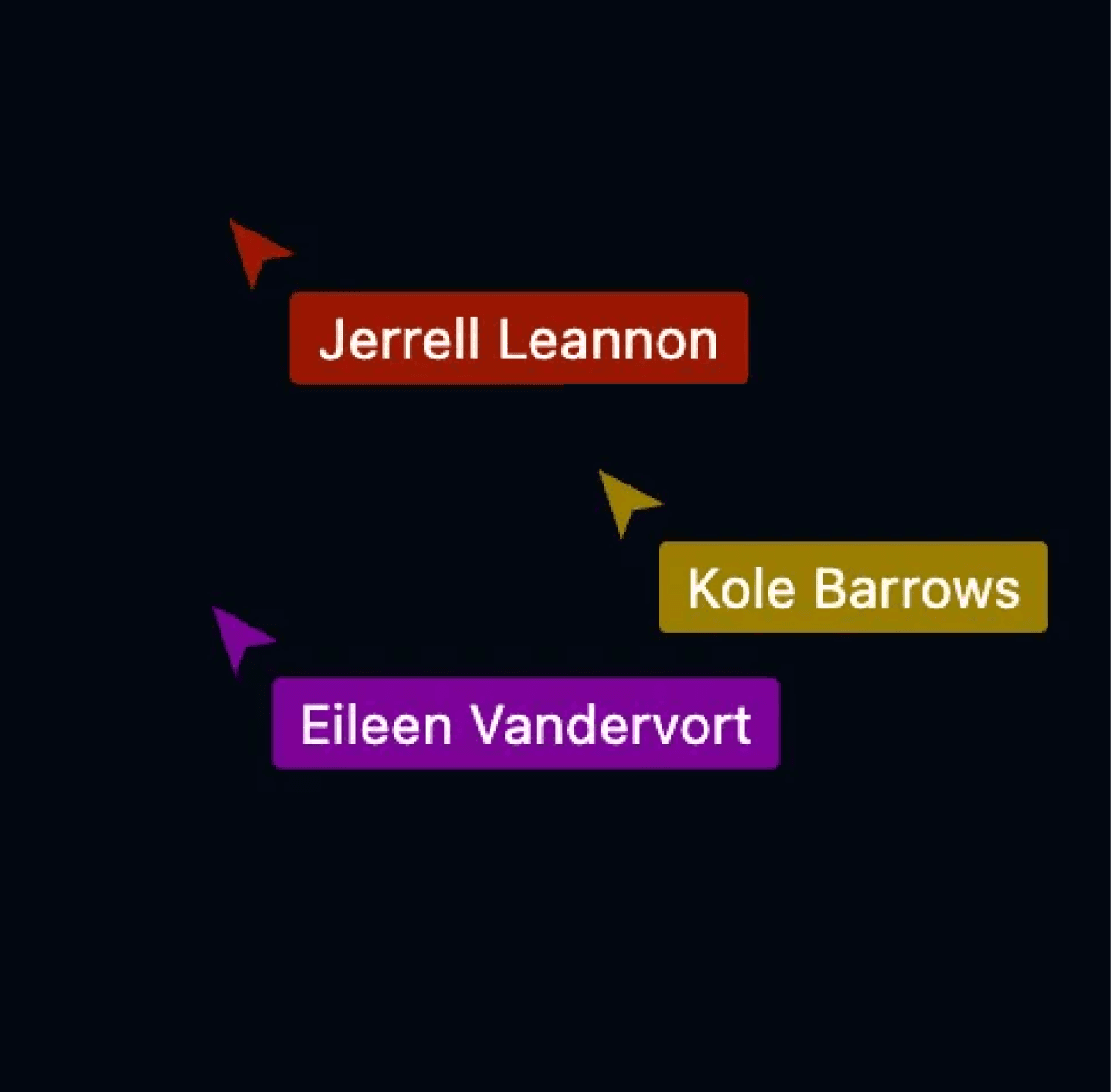
2018 - Figma

When I started using Figma I was already a designer and thankfully I got to enjoy the big change it was coming from it's early days. Figma is definitely one of the biggest and most influential changes of modern tech.
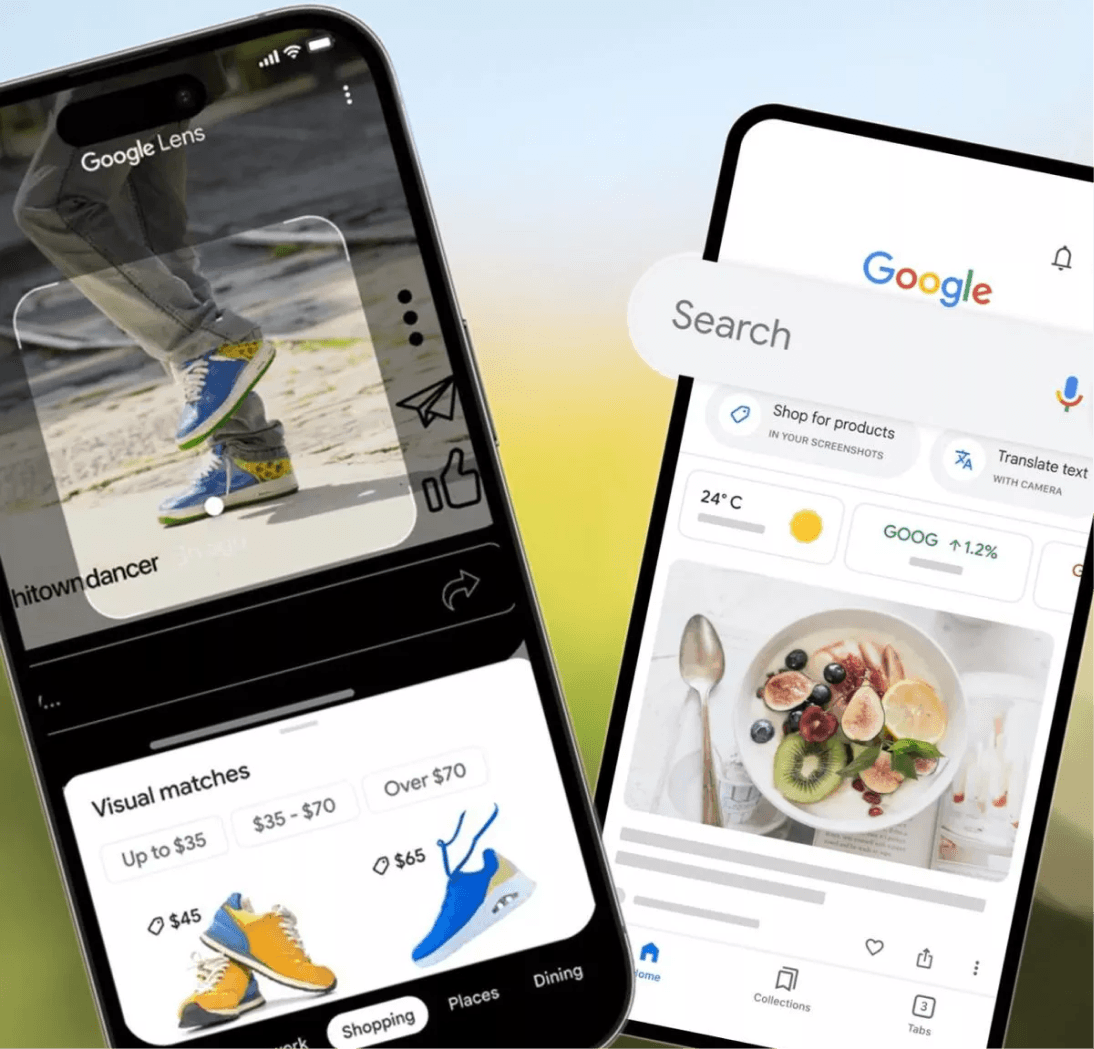
2020 - Google Lens

This app is always getting better. I think since it's conception it is the app that has multiple pain-point solving in it's core, more than any other app. It just serves beautifully.
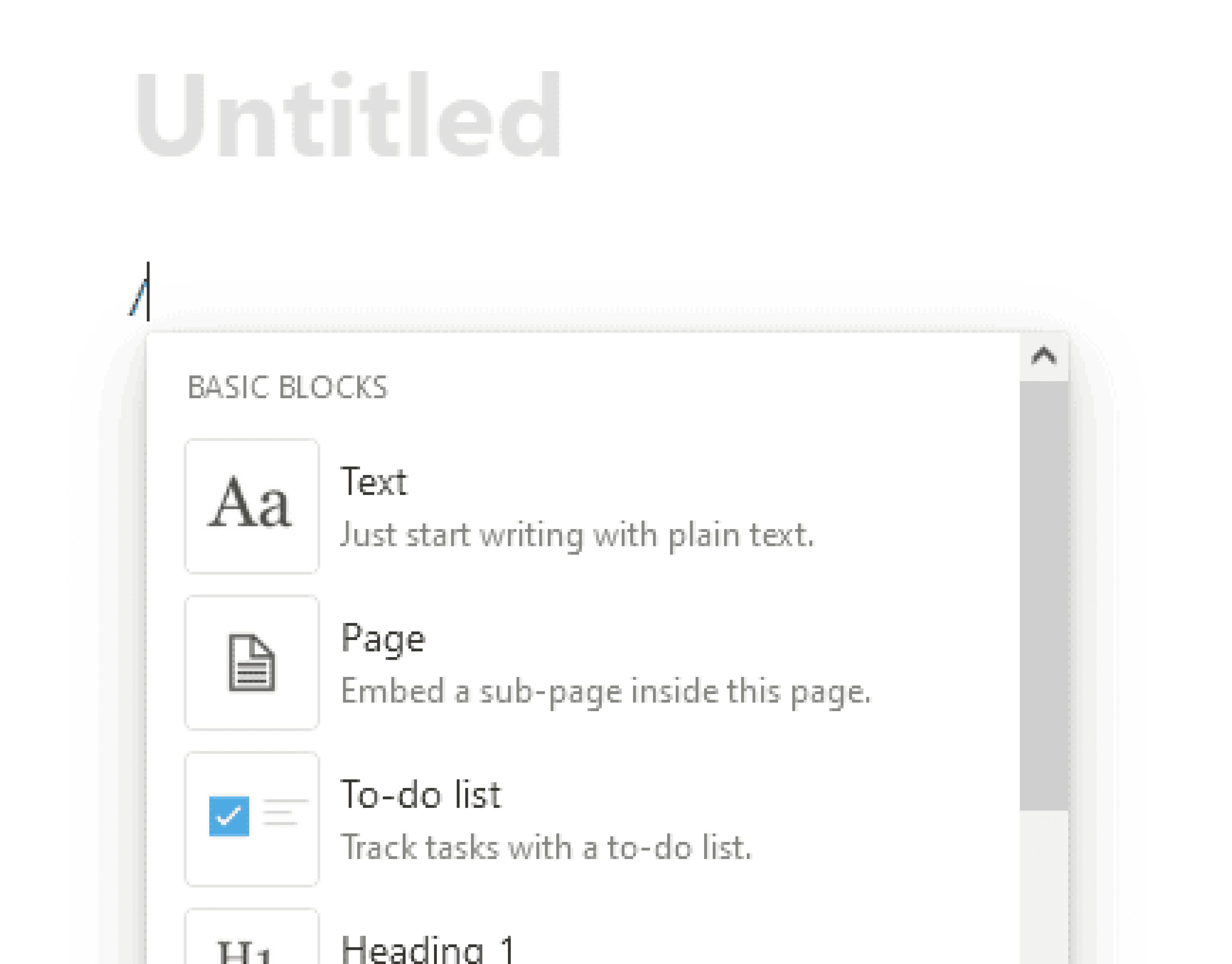
2018 - Notion

Notion is digital sandbox for managing life. It can become a very complex database that can handle a business or just a simple note taking page. The power is all in a simple "/" press.
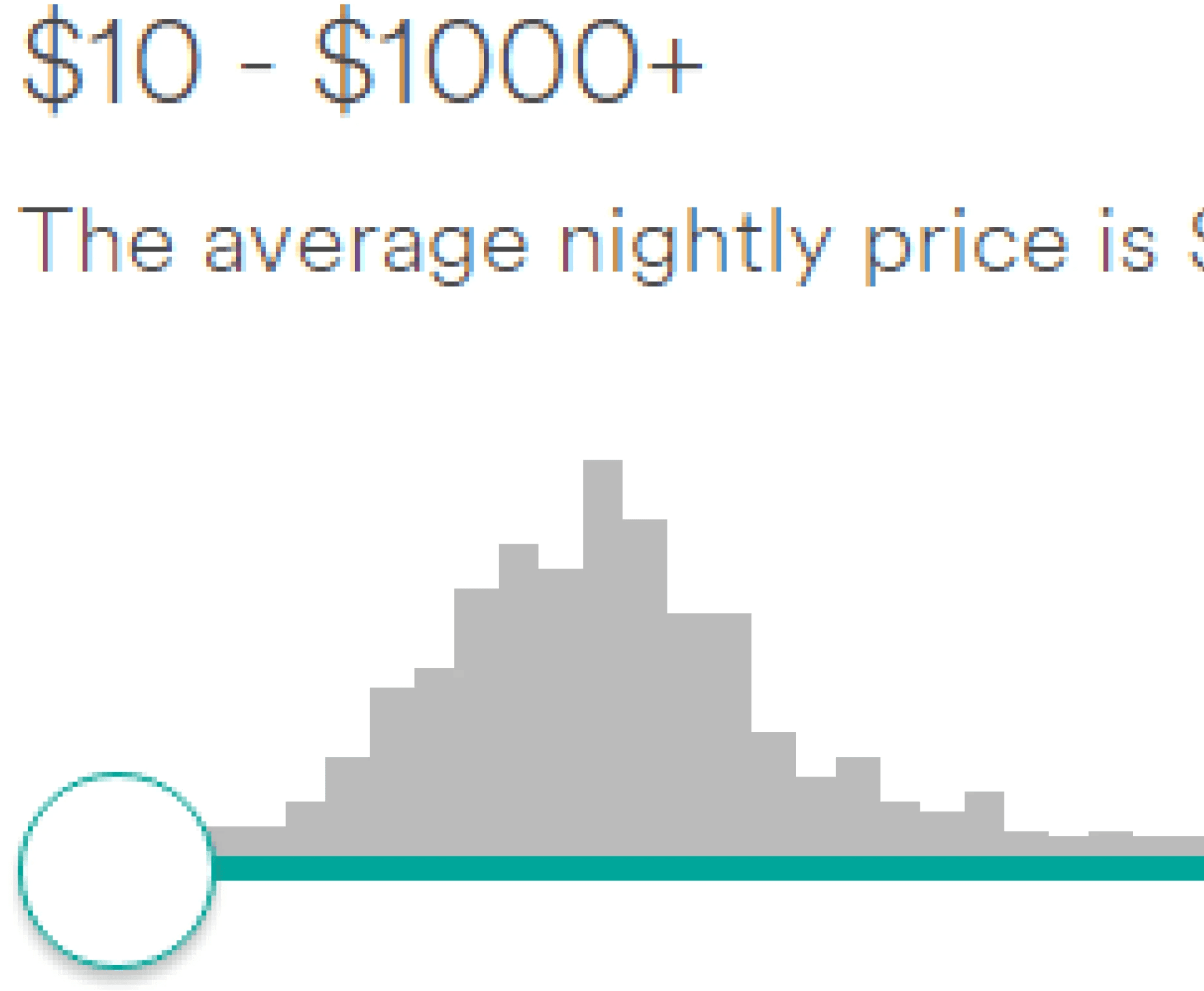

2018 - Airbnb Filtering

AirBnb chooses to very easily describe where the focus of prices is for the current search.

Mission Statement

Create a free website with Framer, the website builder loved by startups, designers and agencies.